
Our mission
Proof that a photograph happened.
Images made by AI now look like photographs. Soon nobody will be able to tell the difference by looking. We want photographers who capture the real world to be able to show that their pictures are real, simply and in public.
The problem
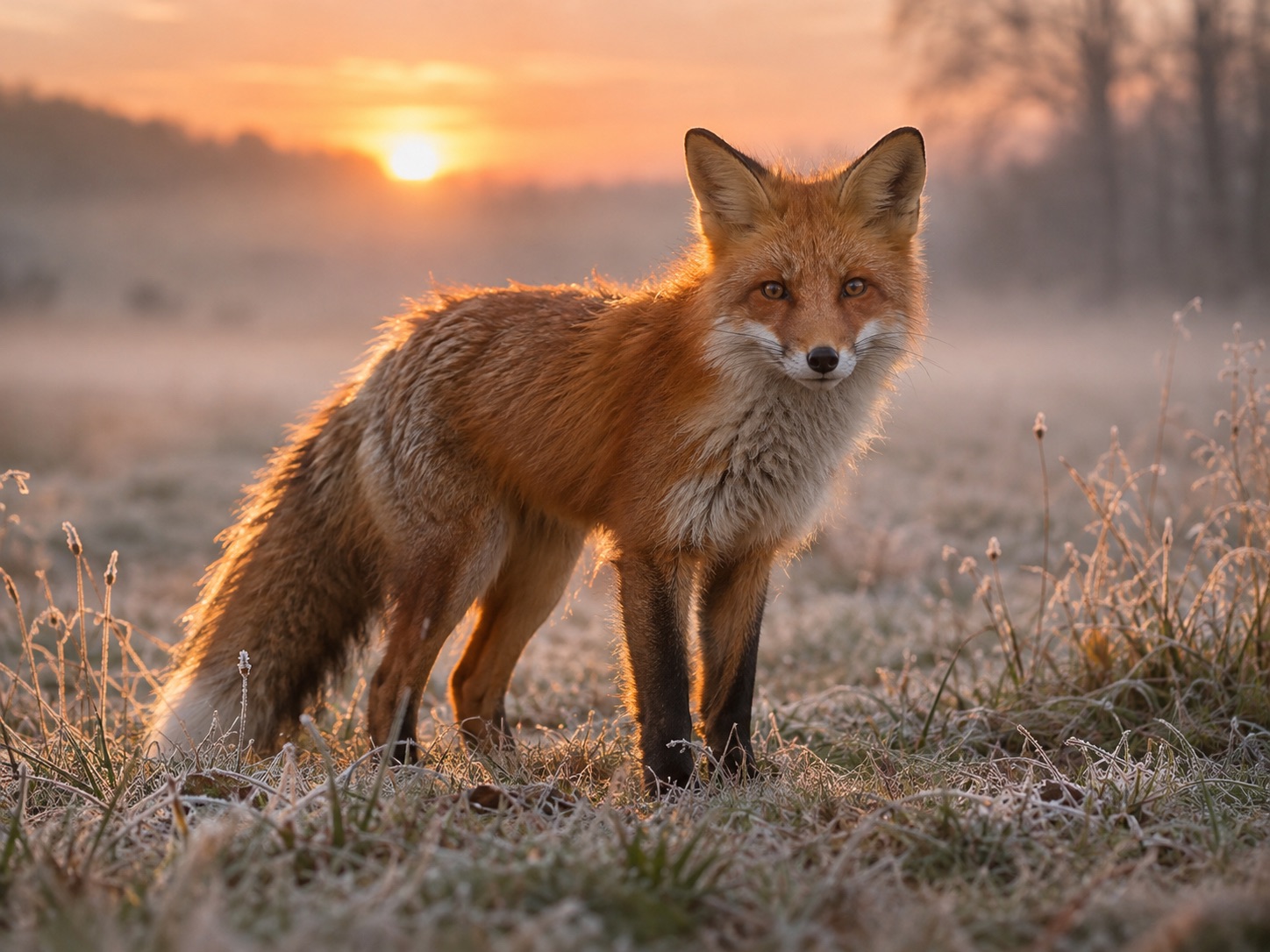
A generated image can be photorealistic in seconds: the light, the grain, the lens flaws, even the camera data. As these images spread, every photograph starts to be doubted. A real moment and a fabricated one look the same on a screen, and the people who stood there with a camera are the ones who lose out.
Contests disqualify winners after the fact. Editors hesitate to publish. Photographers are asked to prove a negative: that they did not make it up.
The proof already exists
Every camera writes a RAW file: the sensor data of the moment, with the camera's own preview and its settings. It is still the best evidence that a picture was captured, not generated.
But RAW files are a poor way to share that evidence. They are huge, they are your full-resolution originals, and once sent you lose control of them. Today they are emailed to contests, uploaded to clients and copied wherever validity matters, then checked by hand, if at all.
A certificate instead of the RAW
Rawenger keeps the strength of the RAW file and removes the need to hand it over. You verify a photo once; from then on, its certificate speaks for it.
- 01
Keep your RAW private
The RAW file is read in your browser. Only the camera's own preview, the metadata and a fingerprint are sent, unless you choose the optional sensor check, and even then the RAW is deleted as soon as the check finishes.
- 02
We compare it with the photo you publish
Your JPEG is aligned to what the camera recorded. We measure crop, rotation, perspective, tone and detail, and look for anything added, removed or altered.
- 03
You get a certificate
A public page, a downloadable PDF, a badge for your site and a signed record. The signature means any later change to the certificate would show.
Who it is for
Photo contests
Ask for a certificate link with every entry instead of collecting RAW files. Judges see at a glance whether the picture is a camera capture, how far it was edited, and whether anything was added, removed or altered. A generated image has no camera file to match; for the highest assurance, ask entrants for the sensor check.
Photographers of real life
Street, documentary, wildlife, sport, weddings: if you photograph things as they happen, say so on your portfolio and back it up. Each certified photo carries a badge that links to its public certificate.
Editors, clients and agencies
When a photo matters, ask for its certificate. You can check that the file you received is the certified one, and verify the signature yourself without trusting us.
Make a statement on your portfolio
Put a short line on your site and link each photo to its certificate. Anyone can follow the badge and see for themselves.
“Every photograph here is a camera capture, certified by Rawenger. Follow the badge to see what changed between the moment and the picture you are looking at.”
What a certificate does not say
We would rather be precise than impressive. A certificate shows that a photo comes from a camera capture and how far it was edited afterwards. It does not say who took it, who is in it, where it was taken, or whether the scene was staged. The strongest certificates include the sensor check, where we decode the RAW data ourselves.

Behind Rawenger
Rawenger is built by Exquillin Digital SRL, a software company founded in Brussels, Belgium in 2016 that develops projects for the European Commission.
It started with a question from our CEO, Ferenc Fapál, a photographer himself: how do you put a digital signature on a photograph? He realised that it already exists. Every camera writes one: the digital negative, the RAW file. If a photo can be verified against its RAW file, it can be shown to be real, without sending huge files around.
For us it is the perfect project, where skill, vision and the joy of photography meet. Exquillin Digital is dedicated to making Rawenger the best way to prove that a photograph is real.
- 2016Exquillin Digital is founded in Brussels, Belgium.
- 2017Ferenc Fapál, our CEO, makes photography his primary passion.
- 2023Ferenc wins Best Wedding Photograph at B&H's Depth of Field conference in New York.
- Early 2026The idea: validate a photo against its RAW file, and score it from a technical point of view.
- End of 2026The first beta of Rawenger is released.

Show that your photos are real.
Certify your first photo in a minute. Your RAW file stays on your device, and the certificate is yours to share.